
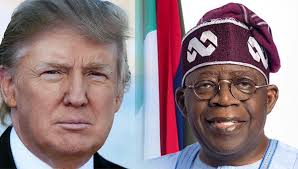
This article examines the serious implications of the U.S. threat to strike Nigeria, highlighting potential outcomes and the urgent need for diplomatic dialogue. Understanding the stakes involved can help us navigate the situation more effectively and possible expectations on things that might happen next
In the midst of a growing diplomatic rift between Washington and Abuja, the President of the United States, Donald Trump, has publicly threatened to strike against Nigeria over its alleged failure to curtail the violence against Christians by Islamist insurgents. Meanwhile, Nigeria’s government, led by Bola Tinubu, has rejected the notion of unilateral U.S. military intervention, insisting that any cooperation must respect its sovereignty.
On 1 November 2025, Trump declared on social media that he had ordered the U.S. Department of Defense to “prepare for possible strikes” in Nigeria, claiming Nigerians are allowing Christians to be killed by “Islamic terrorists.” He threatened to suspend all U.S. aid to Nigeria unless the Nigerian government acts. (The Washington Post)
The U.S also reinstated Nigeria on its “Countries of Particular Concern” list under the International Religious Freedom Act, a label reserved for countries accused of severe violations of religious liberty.
Nigeria responded by stating that it is open to U.S. assistance in its anti-terrorism efforts provided that such assistance respects Nigeria’s territorial integrity and occurs in collaboration with its government
The Growing Rift Over U.S Threat to Strike Nigeria matters because this dispute reveals deeper issues at the intersection of security, sovereignty, and humanitarian concerns: The rift over the U.S. threat to strike Nigeria matters. After all, this dispute reveals deeper issues at the intersection of security, sovereignty, and humanitarian concerns.
Regarding sovereignty, Nigeria views the U.S threat to strike as a challenge to its national sovereignty. While cooperation is welcome, invasion is not acceptable.
The security situation in Nigeria is complex: the violence is not simply a conflict between Christians and Muslims. Many analysts suggest that it involves a mix of insurgency, banditry, and disputes between farmers and herders.
In terms of aid and influence, the U.S is using the suspension of aid and the labeling of Nigeria’s religious freedom as tools for leverage, signaling that Nigeria’s internal security performance is now under greater international scrutiny.
What to watch next
Will Nigeria seize the opportunity to formally invite U.S. forces for crucial assistance, or will it choose to decline this support entirely?
How will the U.S. translate its threats into action? Are we expecting targeted airstrikes, troop deployments, or a strategic offering of limited intelligence support?
Consider the implications for humanitarian aid, access to conflict zones, and the safety of the most vulnerable communities.
This is a critical juncture. Watch closely as local and state governments in Nigeria react, whether they escalate military operations, seek vital international partnerships, or engage in diplomatic efforts to lower tensions. The choices made here will shape the future landscape of security and stability in the region
For bookings: contact us
Tell us about your thoughtsWrite message